Article: Walnut vs. Natural Teak Finish: How to Choose the Right Look for Your Home
Choosing furniture for your home is rarely as simple as picking a design you like. Once you’ve found the right shape and size, there’s another decision that can completely change how the piece feels in your space: the finish.
At Plankly, two of the most popular choices are our darker Walnut finish and the natural tone of teak itself. But here’s something worth clearing up before we go any further: when you see these options at Plankly, Walnut and Natural Teak refer to the finish of the furniture, not the type of wood it is made from.
Both finishes are applied to Plankly’s solid teak wood furniture. The difference lies in the colour and final look, giving you the freedom to choose a finish that works best with your home.
So, which one should you pick? Let’s break it down.

Is Natural Teak Your Answer?
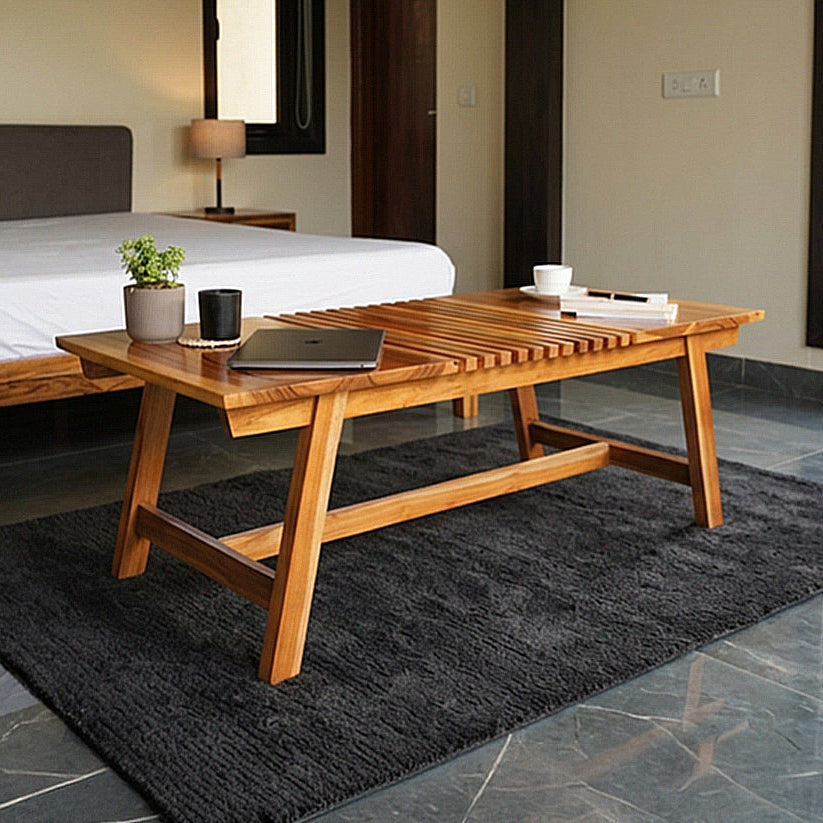
Natural Teak is for those who love seeing the warmth and character of wood shine through. Without a colour stain changing its natural tone, the overall look stays lighter and warmer, allowing the grain and variation of the teak to remain an important part of the design.
It works particularly well in homes that lean towards Scandinavian, Japandi or minimal interiors. Or, if you like soft colours, plenty of natural light, neutral fabrics and spaces that feel calm.
A Natural Teak finish can also make furniture feel visually lighter. So if you have smaller rooms or don't get enough natural light, you may want a piece that is easy on the eyes.
Natural Teak simply brings out the richness and character that solid wood naturally has.

What about Walnut Finish?
Walnut, on the other hand, brings more depth to a space.
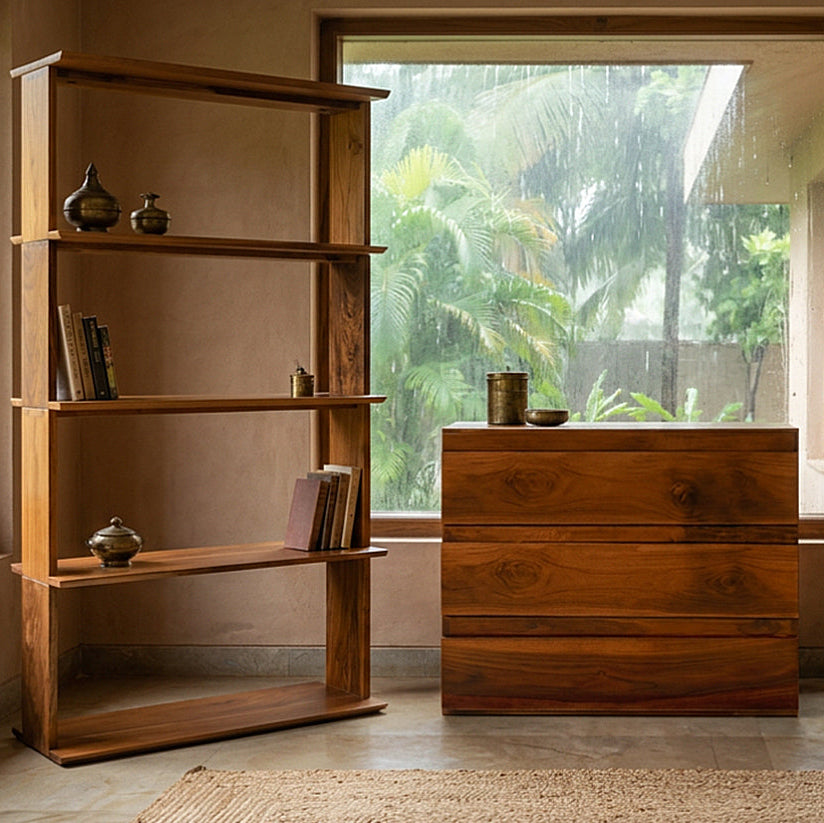
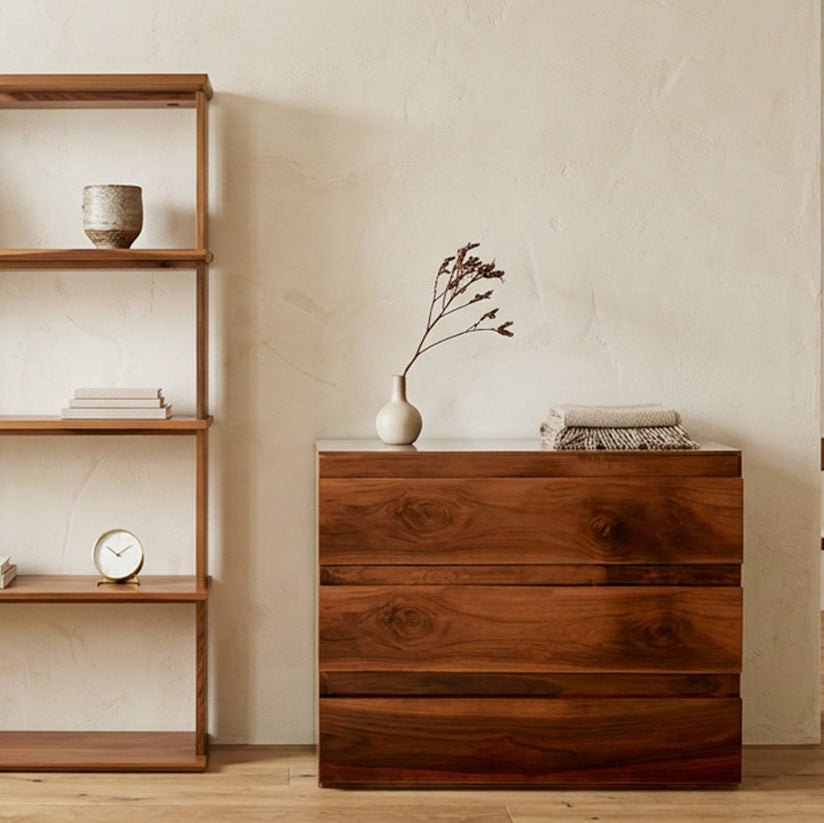
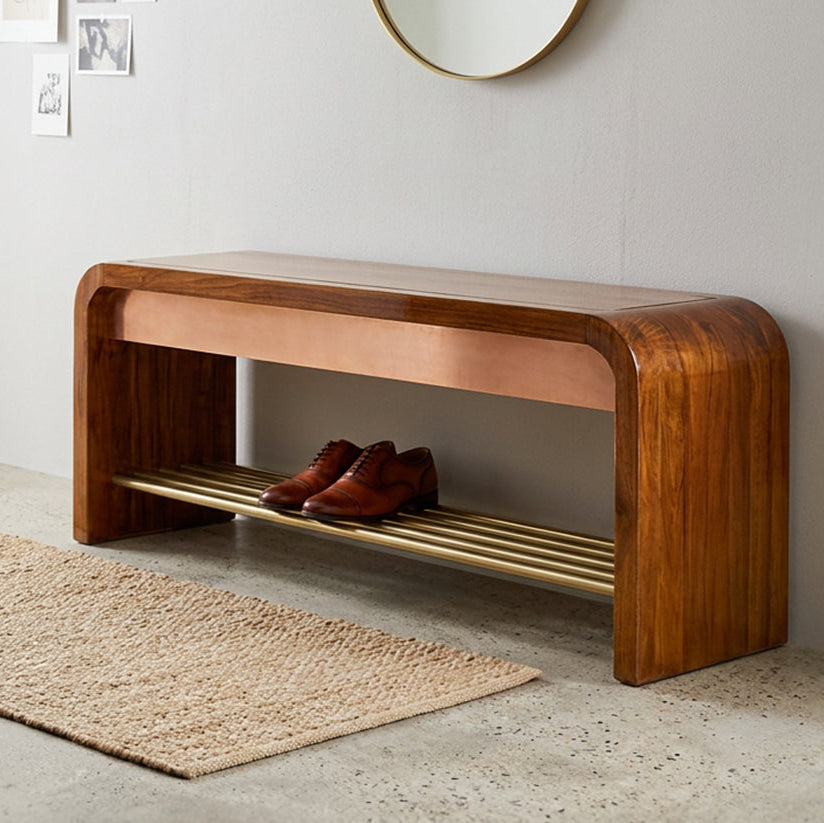
Plankly’s Walnut finish gives the furniture a deeper, richer tone while still allowing the character of the wood underneath to come through. It can instantly make a room feel more grounded and add a sense of warmth, especially when paired with lighter walls and fabrics.
This finish works beautifully if you enjoy interiors with a little more contrast. It pairs well with cream upholstery, earthy colours, muted greens, and warm lighting. Also, if you have a more mid-century-inspired, contemporary, or more classic home, this finish may blend right in.
Walnut furniture often becomes a visual anchor in a room. A darker coffee table, dresser, or bedside table can help bring structure to an otherwise light space.
A simple way to decide is to look at what your room already has. If you have darker flooring, darker cabinetry or several deep-toned pieces, Natural Teak can introduce some lightness. If your room has pale floors, white or cream walls and neutral upholstery, Walnut can create contrast and help anchor the space.

You're Choosing a Look, Not a Wood Type
Walnut furniture traditionally refers to furniture made from walnut wood, while teak furniture refers to furniture made from teak. But at Plankly, the Walnut and Natural Teak options are finishes offered on the same solid teak wood furniture.
That means your decision doesn't have to be about choosing between two different types of wood. Instead, you can focus on what actually matters visually without worrying about the durability of our solid teak wood.

So, Which One Is Right for You?
There is no universal winner here. It really comes down to your space and the mood you want to create.
An easy rule of thumb: if you want your furniture to feel lighter, warmer and quieter in the room, start with Natural Teak. If you want more depth, contrast and visual weight, Walnut is likely to be the better fit.
Still torn between the two? Start with the room rather than the furniture. If the space needs lightness, look towards Natural Teak. If it needs depth or contrast, consider Walnut. Either way, the material underneath remains the same: solid teak.